
Bitcoin’s Role in Texas’ Energy Crisis
Bitcoin is emerging as more than just a speculative investment; it is also influencing Texas’ energy challenges as the state braces for another year of extreme heat. The intersection of rising temperatures and the demand for energy-intensive operations, such as cryptocurrency mining and data centers, is disproportionately affecting Black communities, who are already vulnerable to the impacts of climate change.
Last Year’s Deadly Heat
During what turned out to be Texas’ hottest summer on record, Black individuals experienced the worst of the heat’s consequences. Tragic incidents, including the deaths of an infant and a postal worker due to heat-related illnesses, sparked national outrage. This devastating summer intensified scrutiny on the Electric Reliability Council of Texas (ERCOT), which had struggled to maintain power reliability in the face of increasing climate-related stressors.
Texas’ Response to Power Demand
In the wake of a severe winter storm in 2021 that exposed the state’s vulnerabilities, Texas has been actively seeking solutions to bolster its electricity production during disasters. The state’s response has been to construct new fossil fuel power plants. Officials assert that these plants will address the energy demands driven by climate events and population growth. However, a recent ERCOT forecast indicates that a significant portion of this increased demand will originate from data centers and AI operations, which are known for their heavy energy and water consumption.
Pollution and Inequality
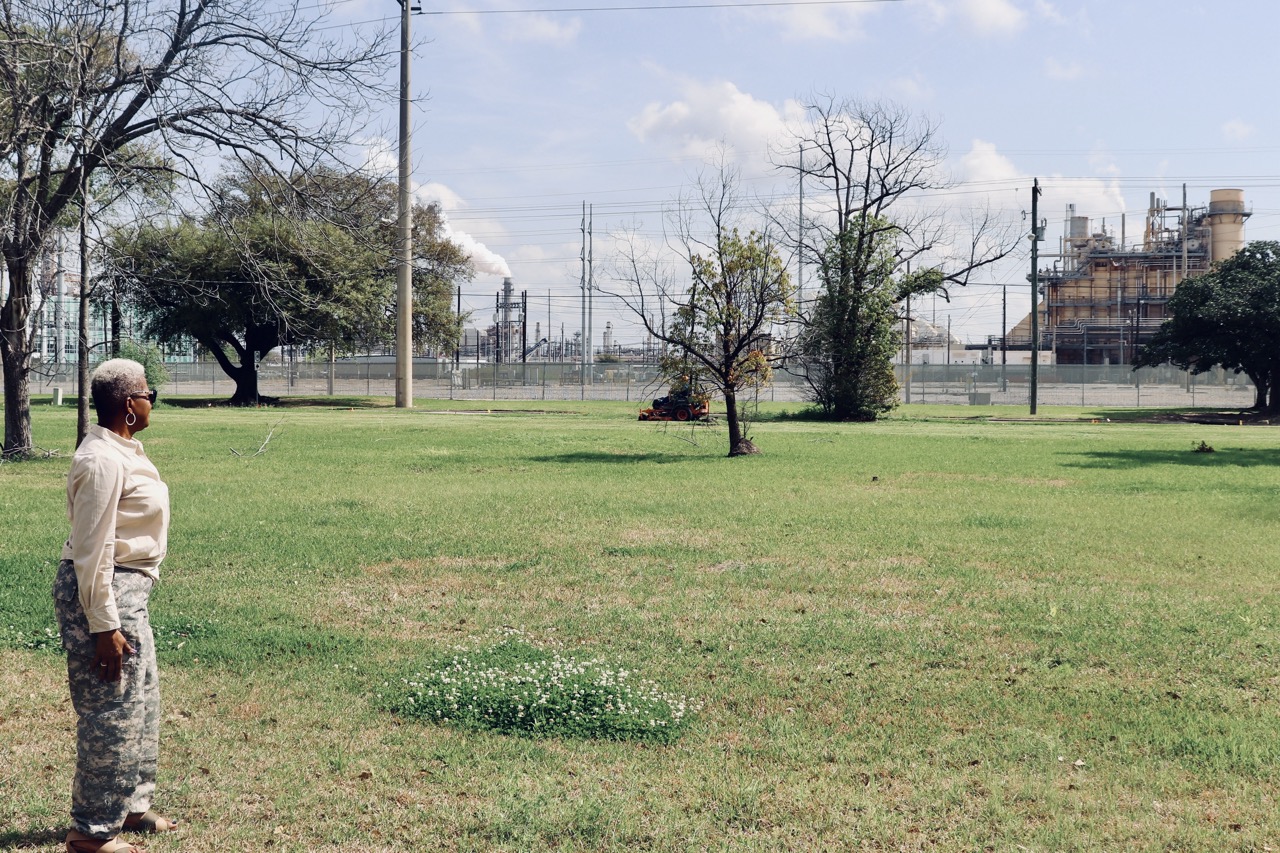
This shift towards fossil fuel plants raises concerns, particularly as these facilities have historically harmed Black communities. Critics argue that the reliance on fossil fuels for burgeoning industries contributes to economic disparity and discrimination against Black Americans. Despite evidence suggesting that renewable energy sources like wind and solar are more reliable and cost-effective in Texas, the state opted to support $10 billion in new gas power plants in response to last summer’s heat.
Environmental Justice Concerns
Nationally, low-income Black communities face the highest exposure to pollution from power plants, resulting in a greater risk of health issues. In Texas, over 75% of gas power plants are located in areas with significant populations of people of color. Analysis reveals that the trend of situating these facilities in minority communities may persist, as nearly half of the proposed new plants are planned for areas with above-average Black populations.
Community Resistance
Brittney Stredic, a community activist in Houston, has been vocal against the establishment of new gas plants in her neighborhood. She expressed concern that the state’s justification for these plants stems from climate events, asserting that the community does not require such developments.
A Setback for Renewable Energy
While Texas has recently gained recognition as a leader in renewable energy, these new initiatives appear to contradict that progress. The climate crisis, exacerbated by fossil fuel consumption, poses significant challenges, and critics argue that the state’s actions align with industries harmful to Black communities. Algernon Austin, an expert on racial and economic justice, noted that the crypto industry’s influence has resulted in policies that may perpetuate inequality.
The Energy Demand of New Technologies
Both artificial intelligence and cryptocurrency mining demand substantial amounts of energy and water, largely due to the computational power needed for their operations. The supercomputers used in these fields can consume energy equivalent to that of multiple households, generating significant heat that necessitates constant cooling. Texas, already the highest energy-consuming state, finds itself under pressure as the demand for electricity continues to rise.
Economic Growth vs. Community Well-being
The state’s aggressive push for business growth often comes at the expense of the local population’s health and environmental stability. Entergy CEO Eliecer Viamontes highlighted the need for new fossil fuel plants to sustain economic development, raising questions about who truly benefits from this growth. Austin cautions that the rise of crypto finance, which was initially touted as a means to reduce inequality, may instead be exacerbating the challenges faced by Black communities.
Energy Costs and Community Impact
In response to the energy crisis, Texas allocated millions to incentivize Bitcoin mining and data centers to reduce their energy usage. This strategy may become increasingly necessary in the coming summers. Additionally, the rise of cryptocurrency has led to increased electricity costs for all Texans, not just those involved in mining, adding strain to households already facing high energy bills.
Disproportionate Effects on Black Communities
Surveys indicate that Black individuals are more inclined to invest in cryptocurrencies compared to their white counterparts, often underestimating the risks involved. Furthermore, the surge in crypto operations has resulted in higher electricity expenditures that affect non-mining residents as well, particularly in areas with significant Black populations.
Environmental Justice and Renewable Energy Challenges
As natural gas production expands, energy companies and officials are criticized for neglecting the historical devastation caused by fossil fuel industries in communities of color. While renewable energy sources are on the rise, the challenge lies in effectively transferring that energy to urban areas, necessitating substantial investments in infrastructure.
Calls for Change
Advocates argue that Texas must pivot towards more sustainable energy solutions. The Sierra Club’s Texas chapter emphasized the need to enhance energy efficiency and invest in local systems like rooftop solar and battery storage. As climate realities become undeniable, activists are pushing for a shift away from fossil fuels in favor of more equitable and environmentally friendly energy practices.


